
1
2
3
4
5
6
7
8
9
10
11
12
13
14
15
16
17
18
19
Sinaloa, Mexico //
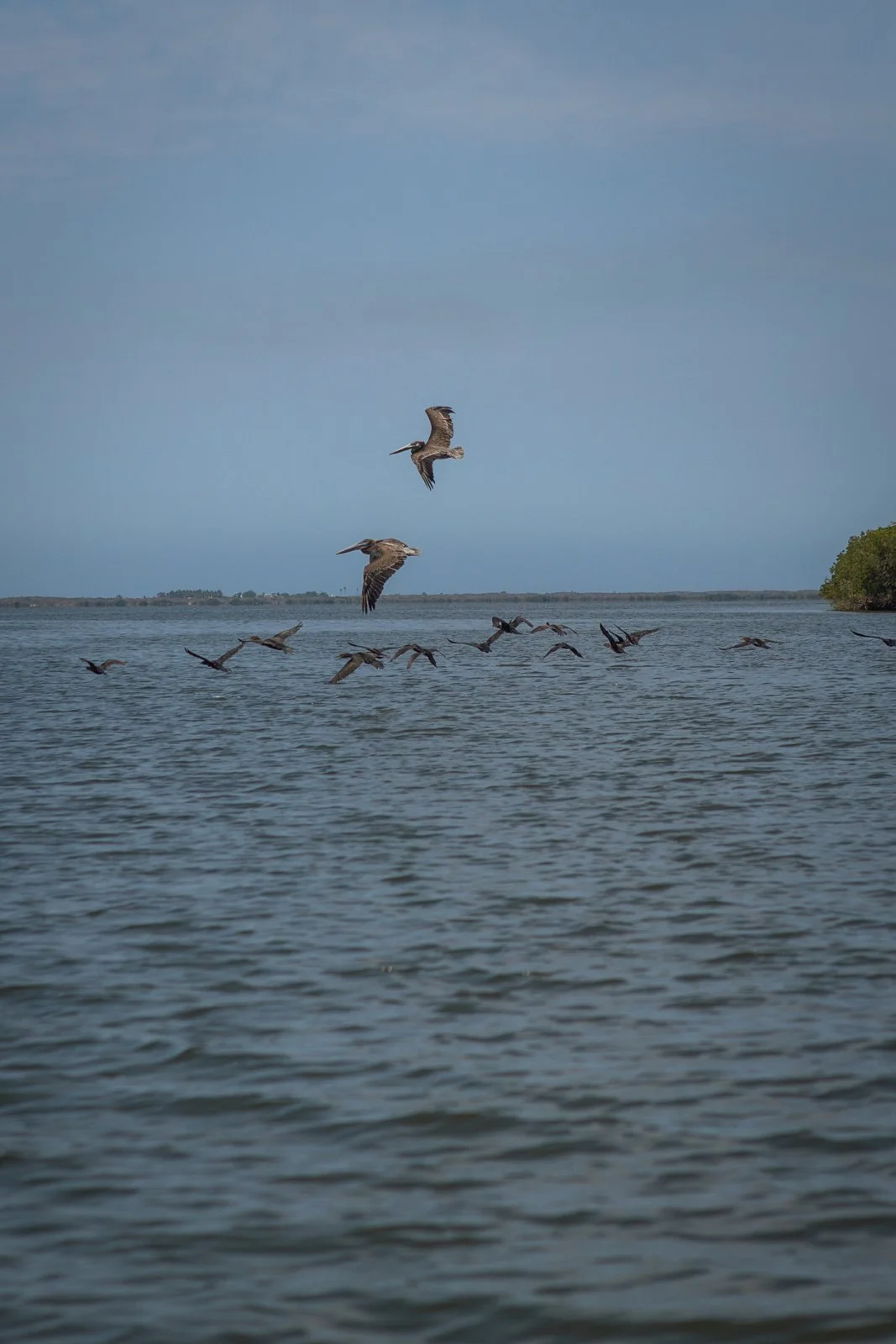
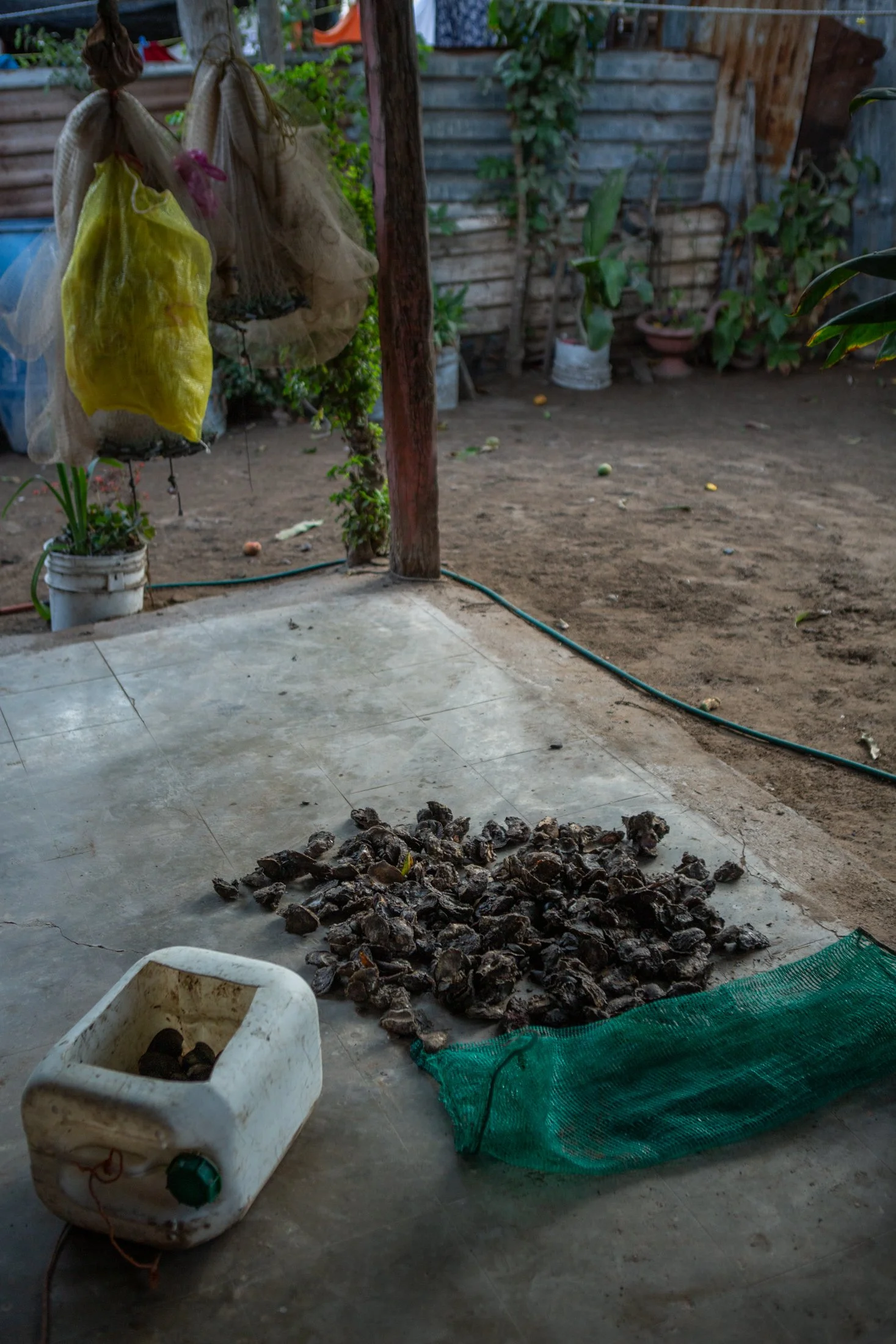
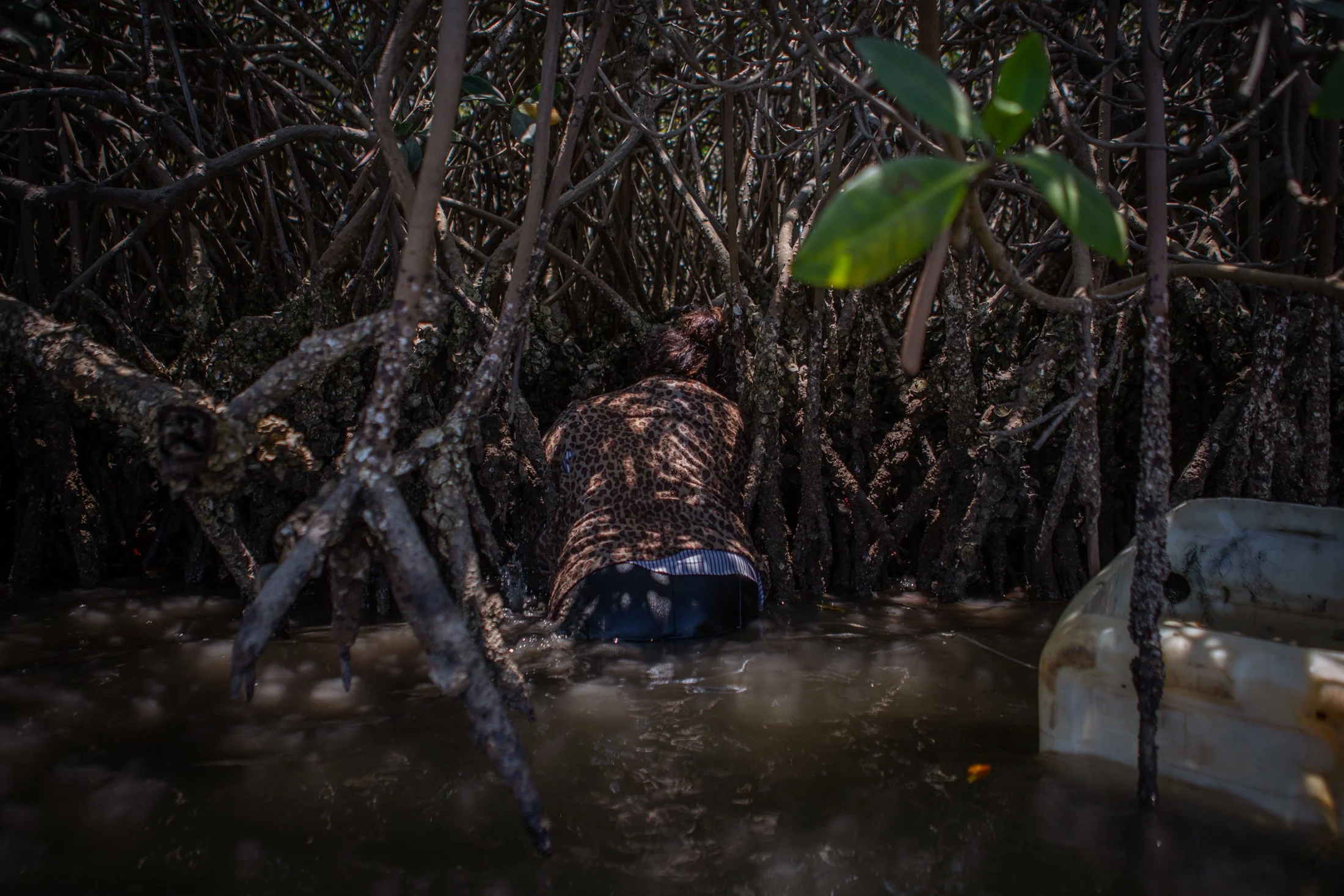
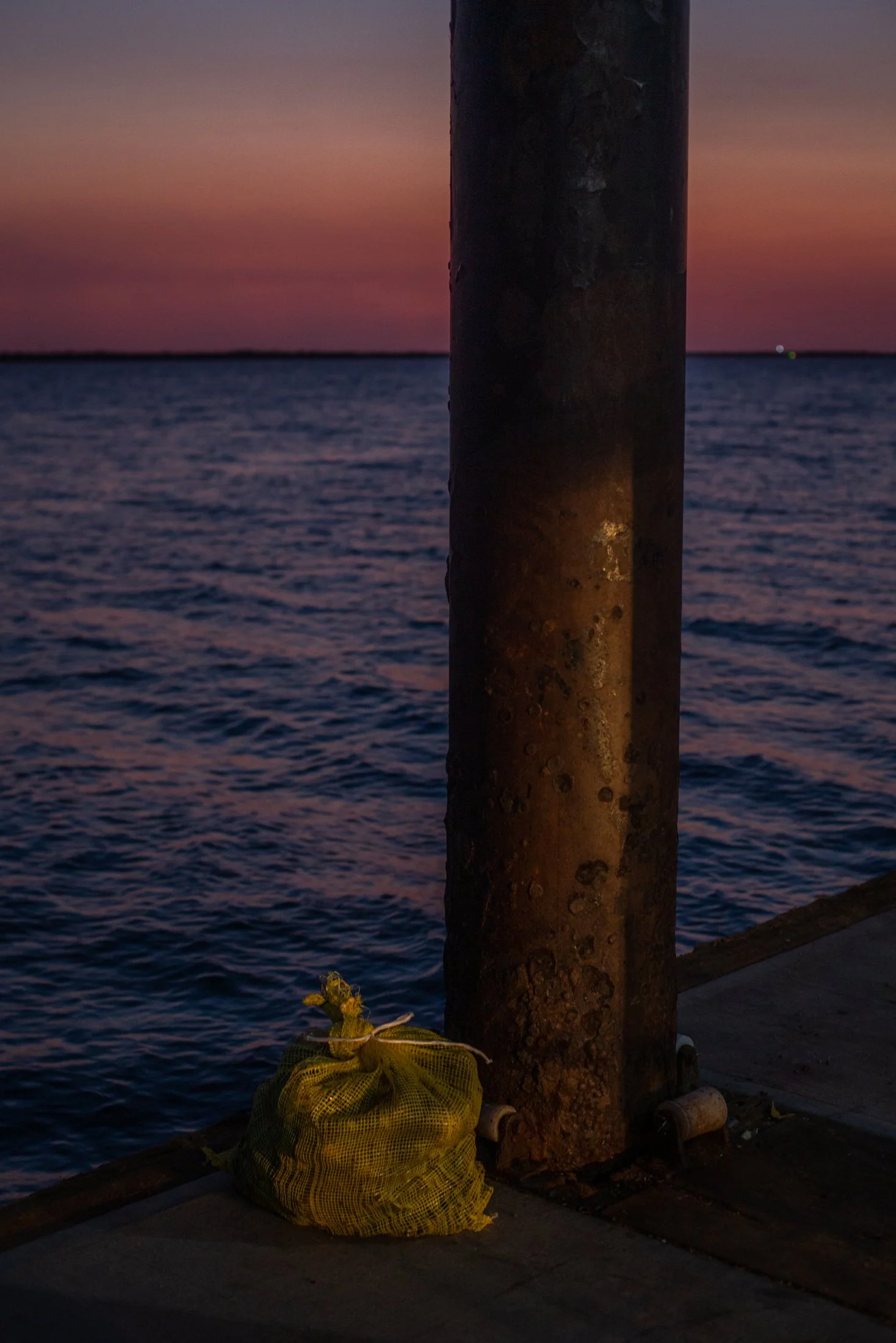
Jacques Cousteau called the Sea of Cortez the “aquarium of the world.” The wide strip of sea between mainland Mexico and the Baja peninsula is considered one of the richest marine environments in the world. But like many such habitats, the gulf’s shallow waters have also been subject to decades of overfishing, leaving ecosystems and the communities that rely on them at risk.
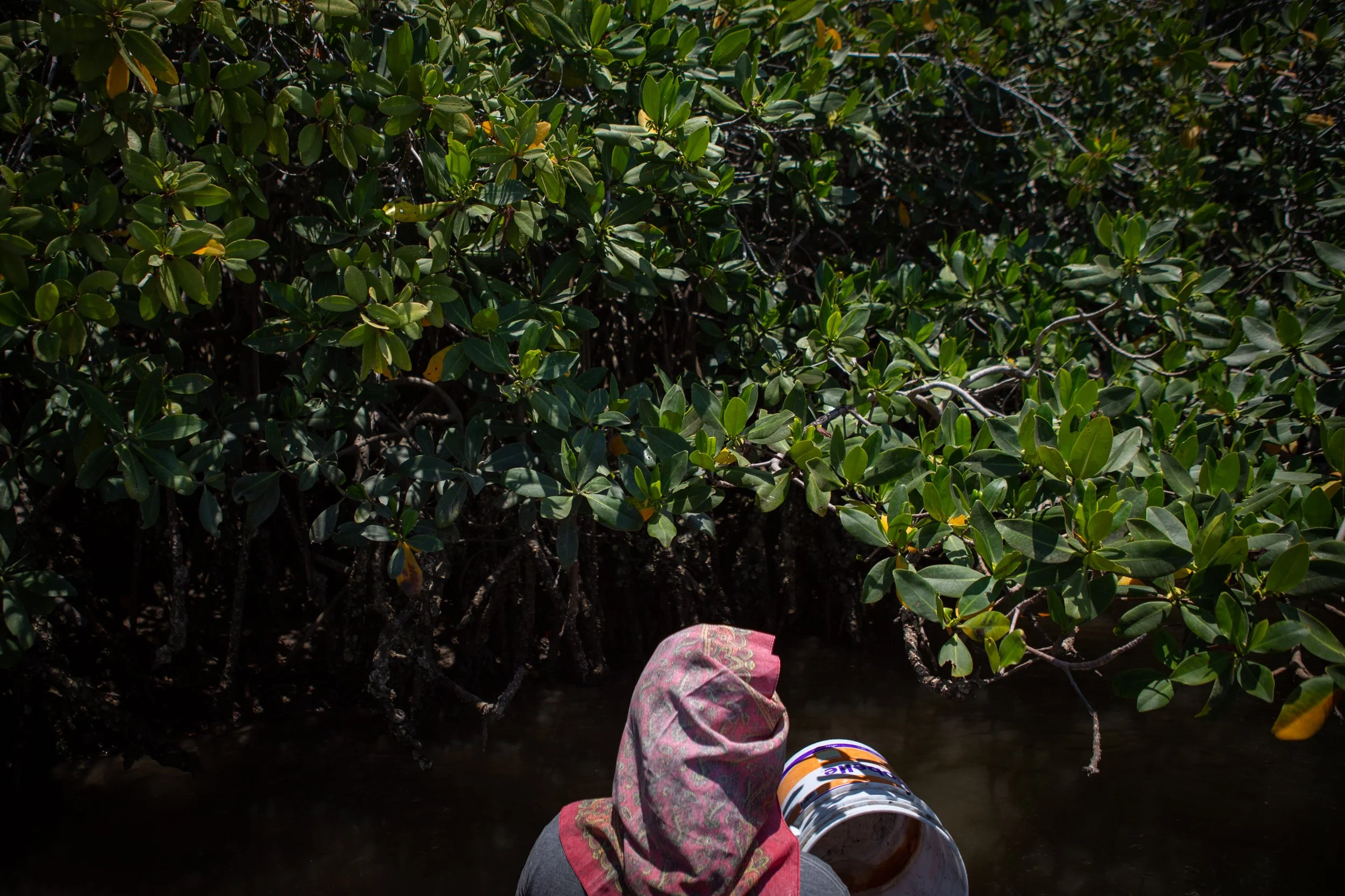
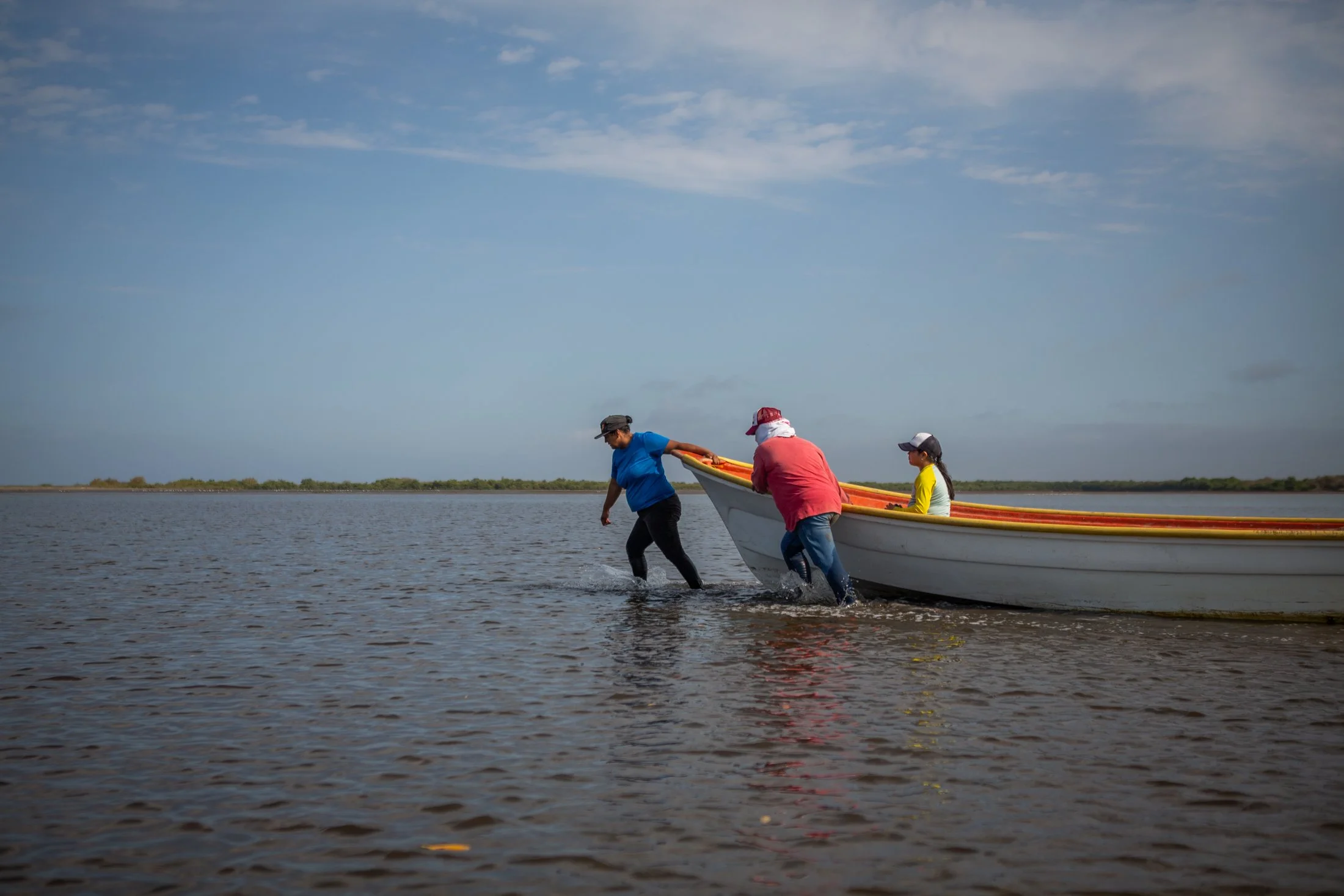
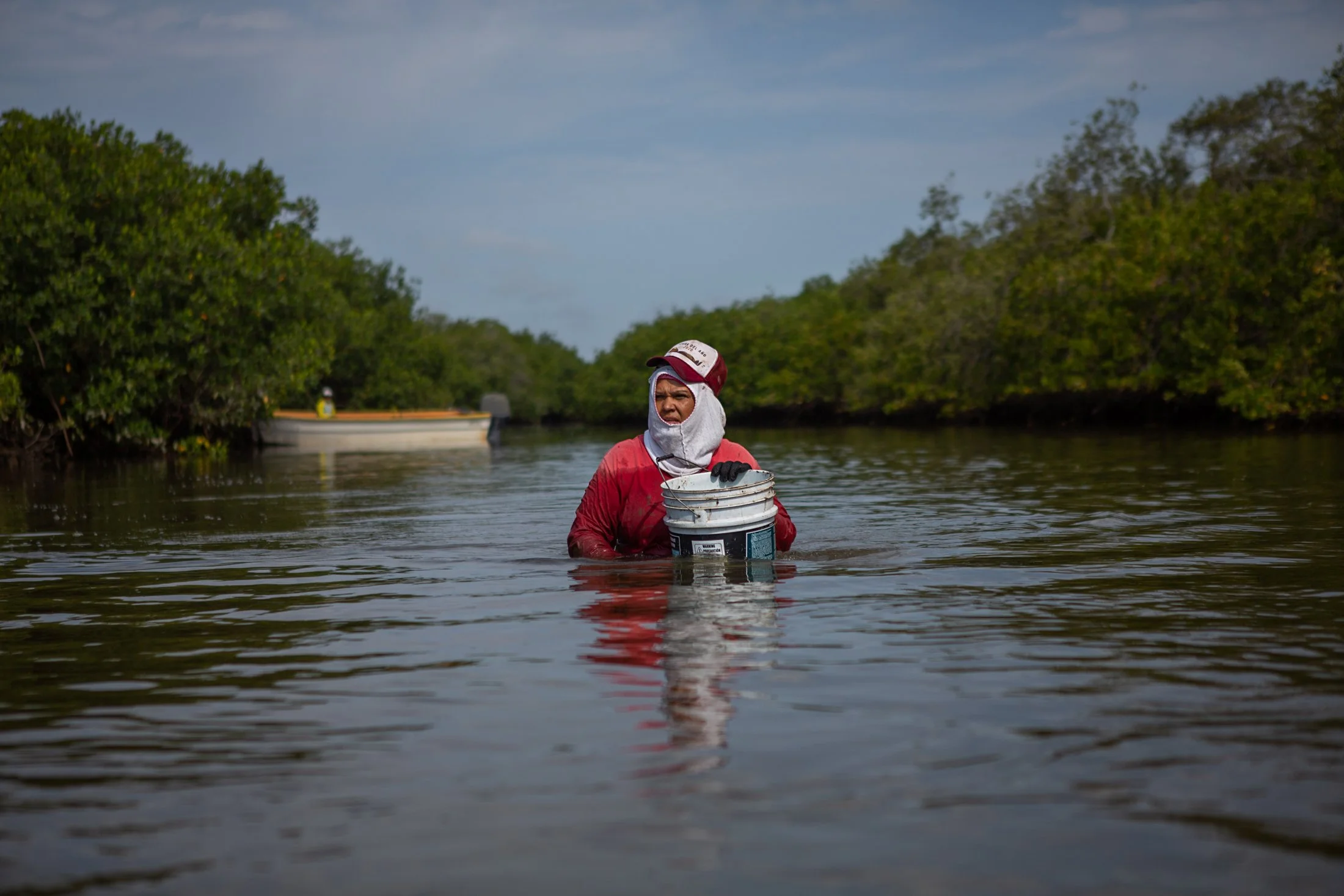
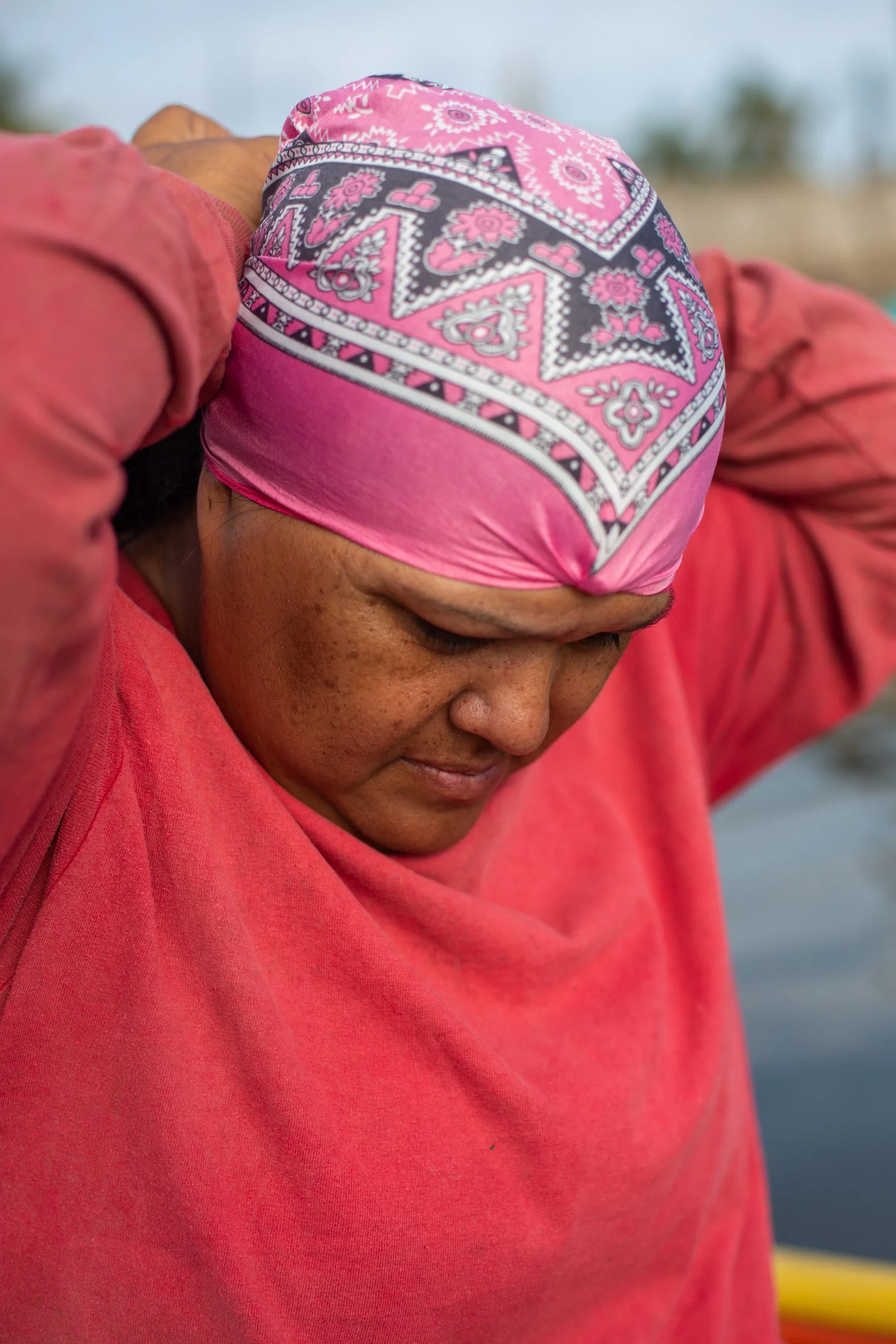
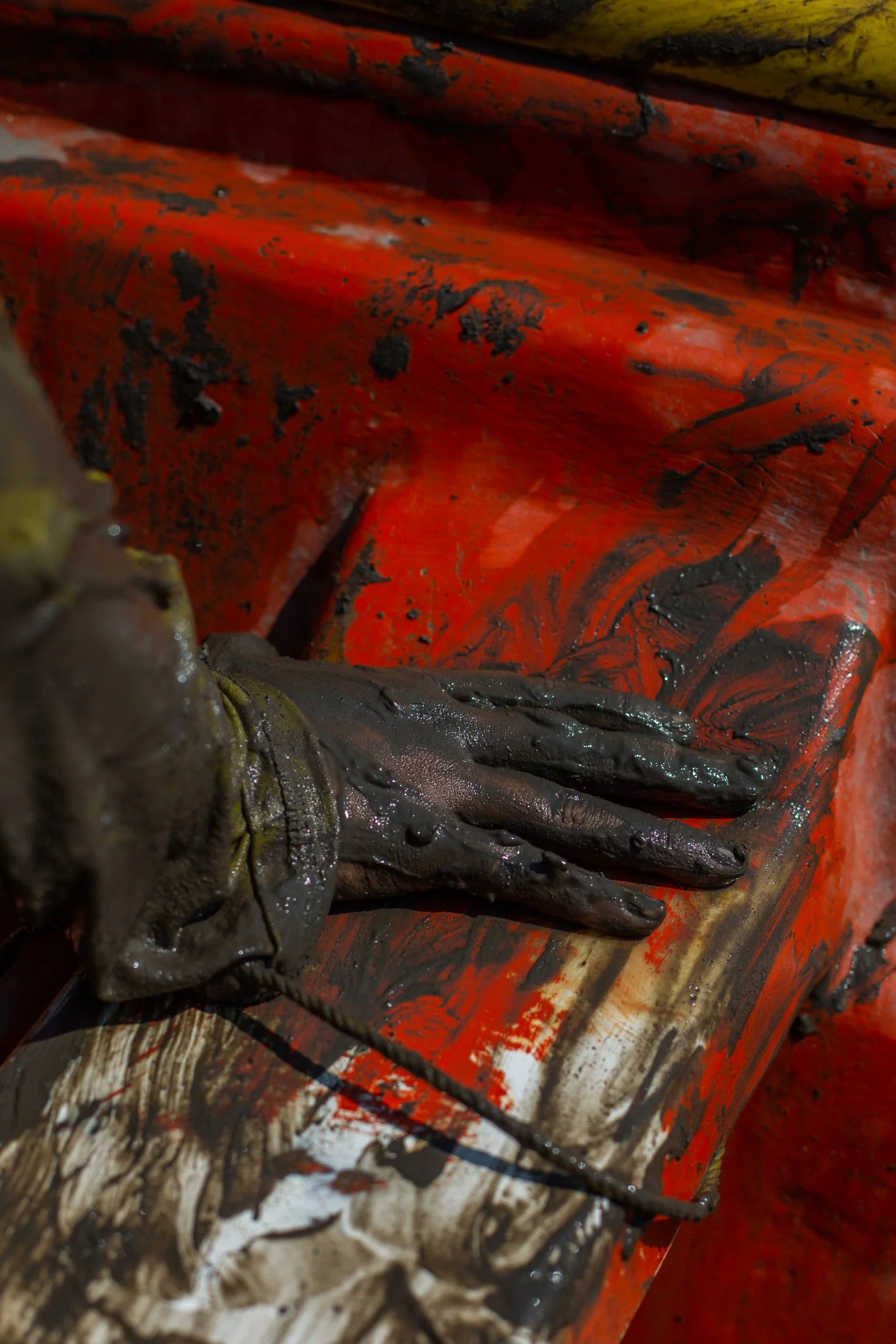
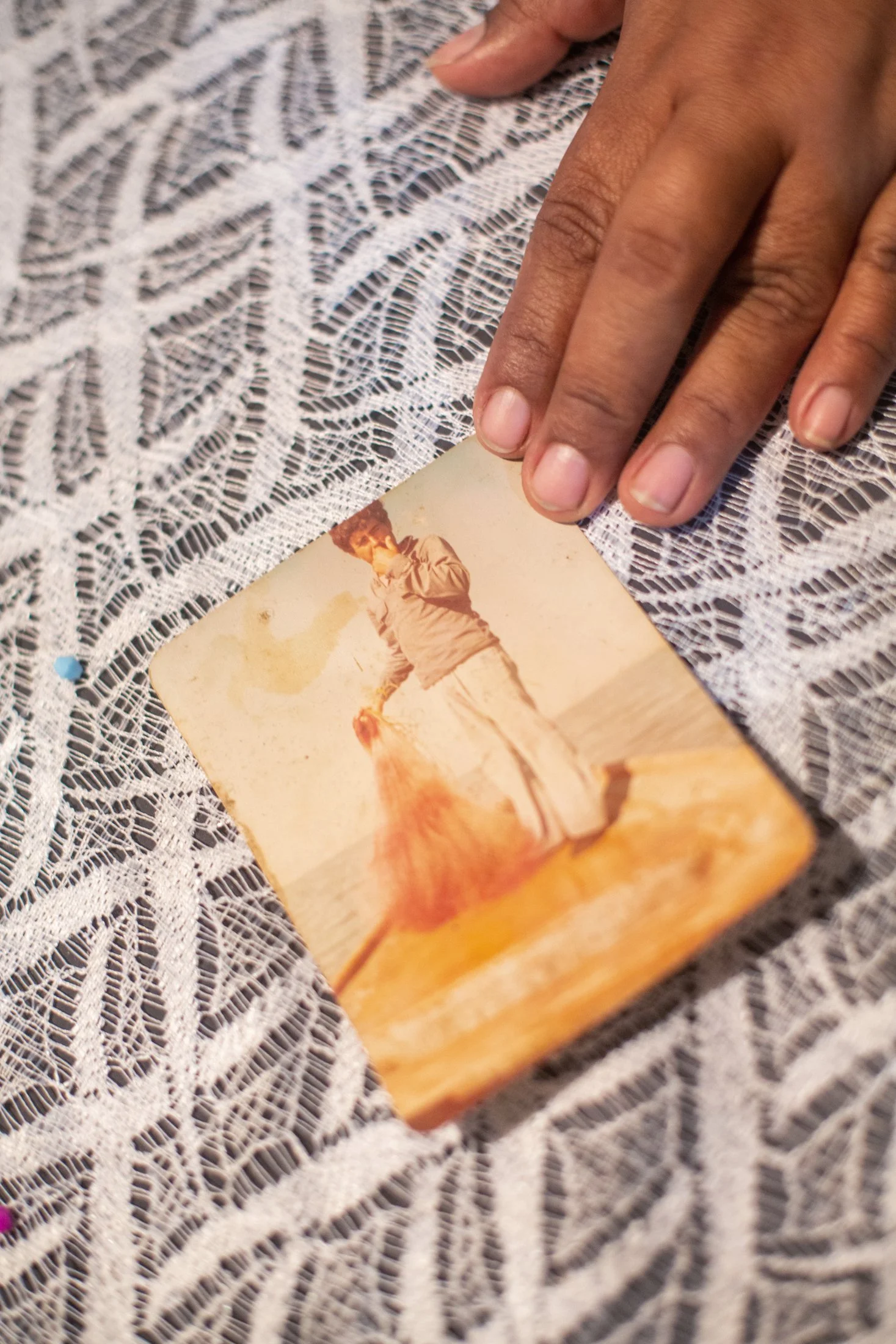
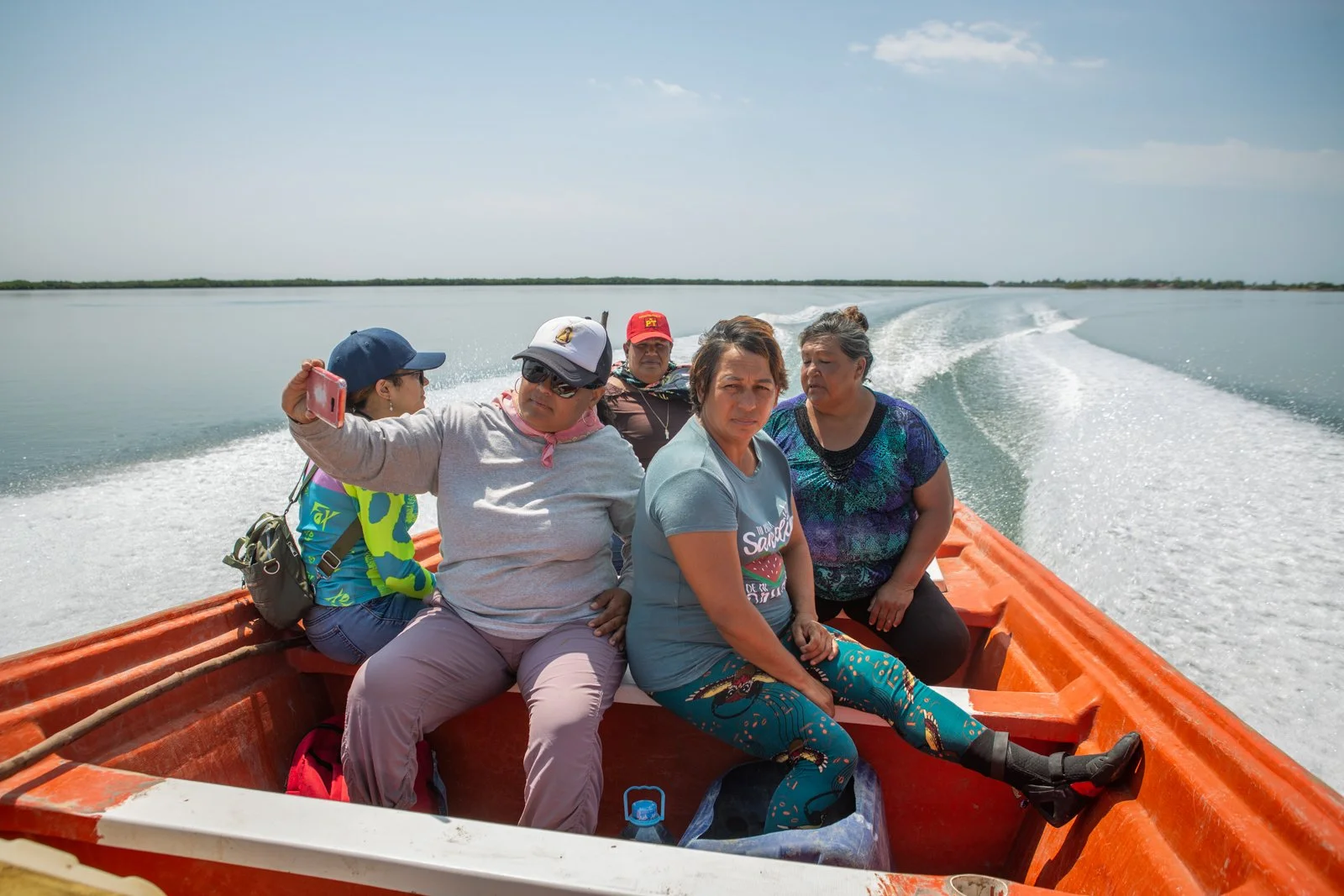
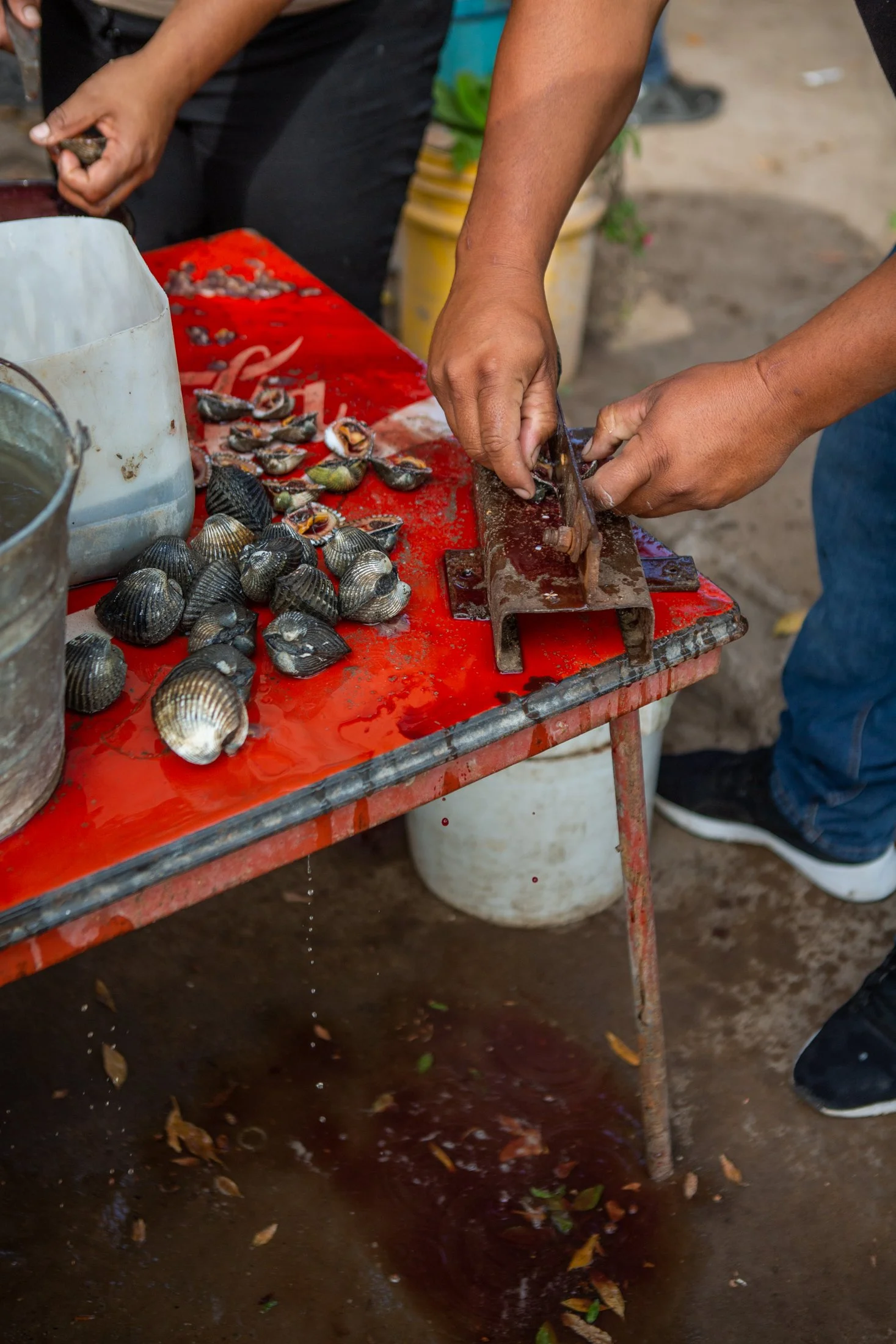
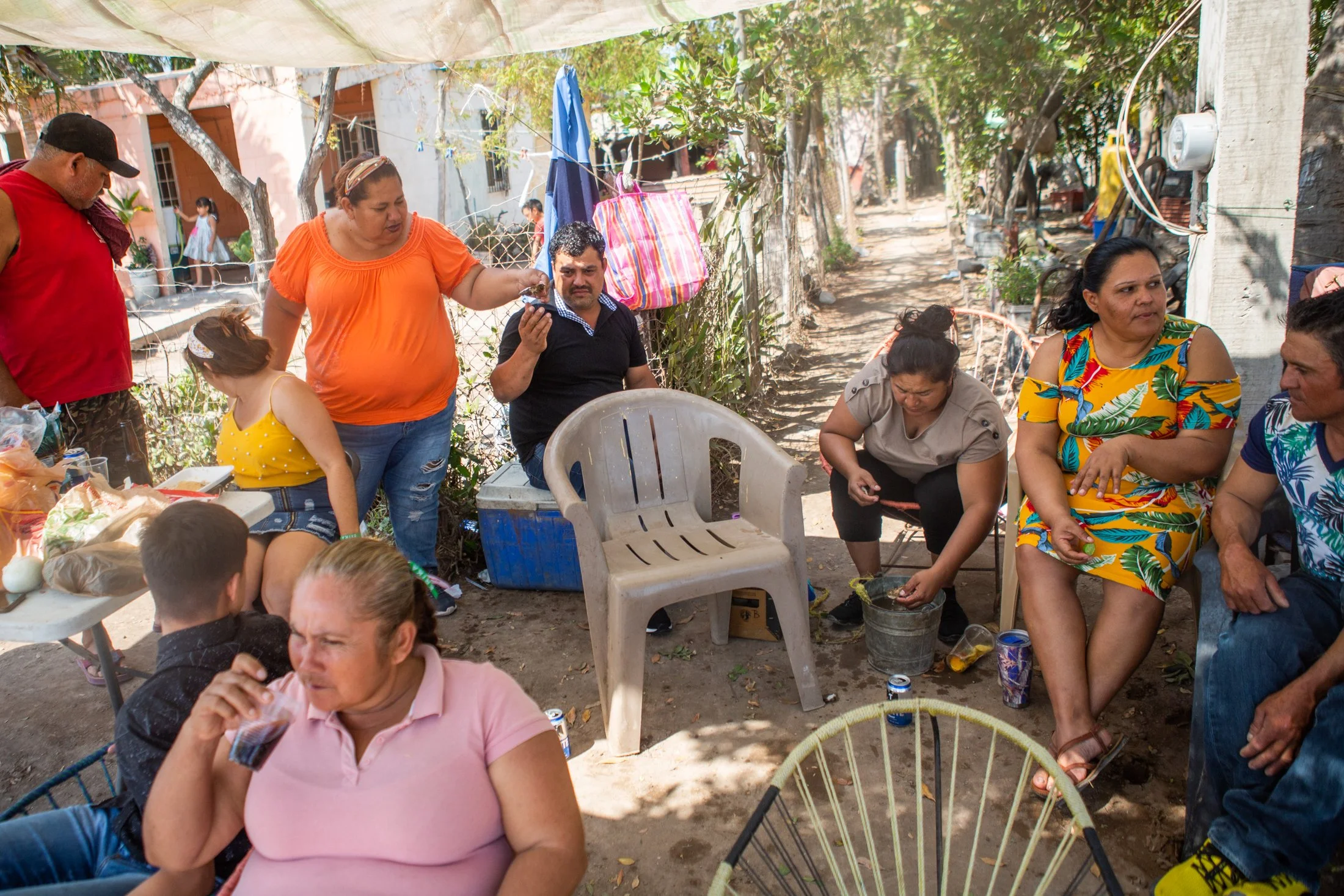
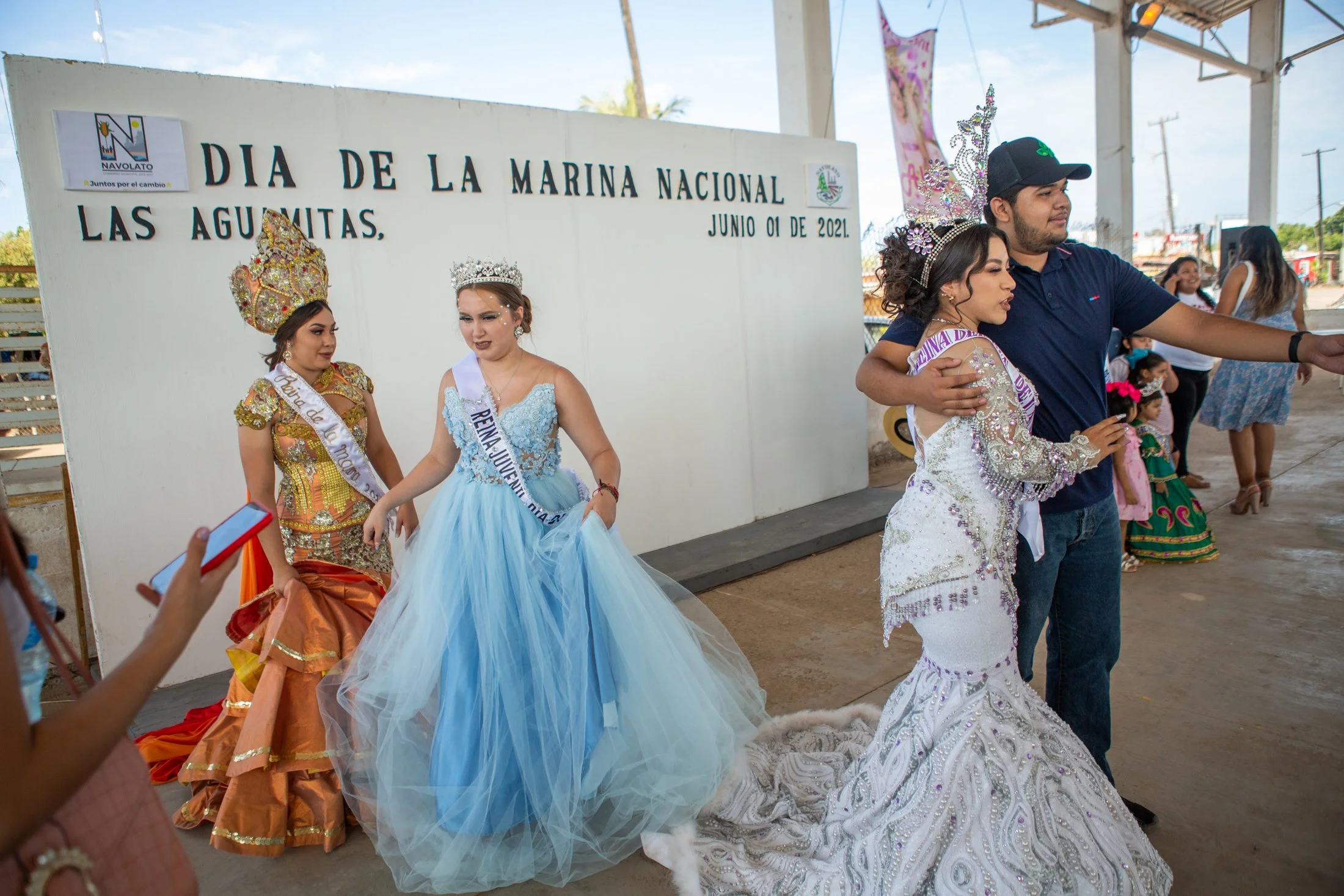
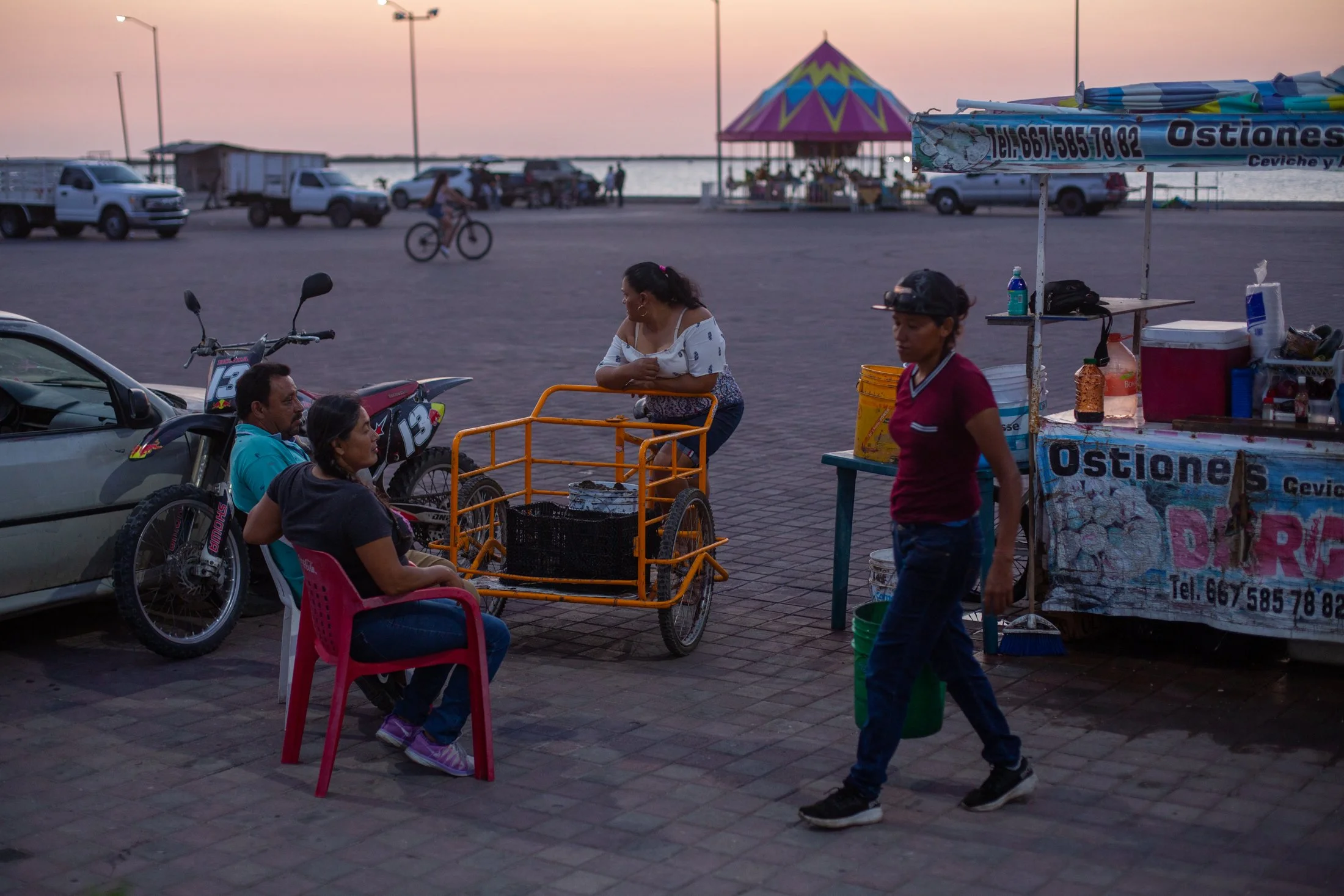
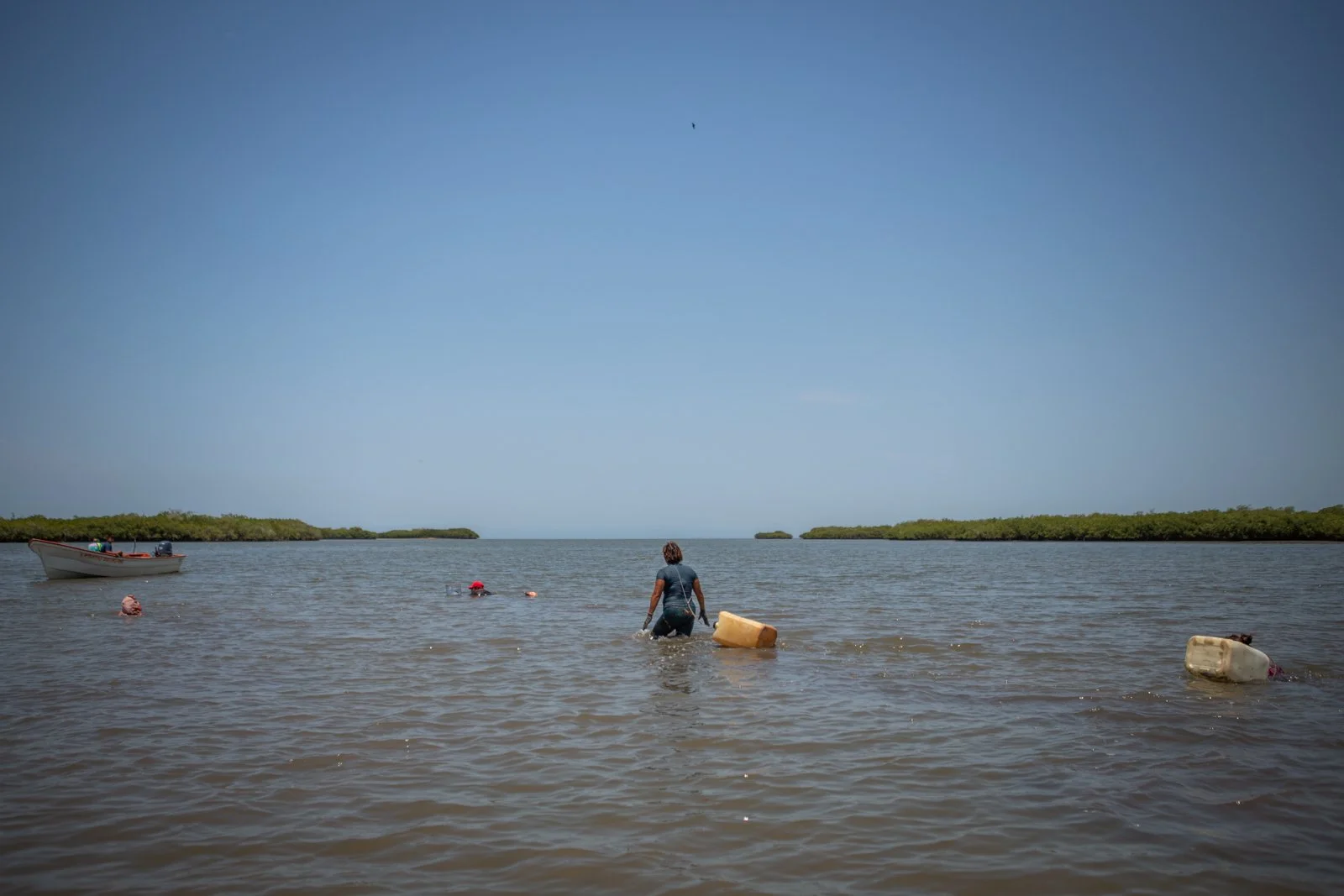
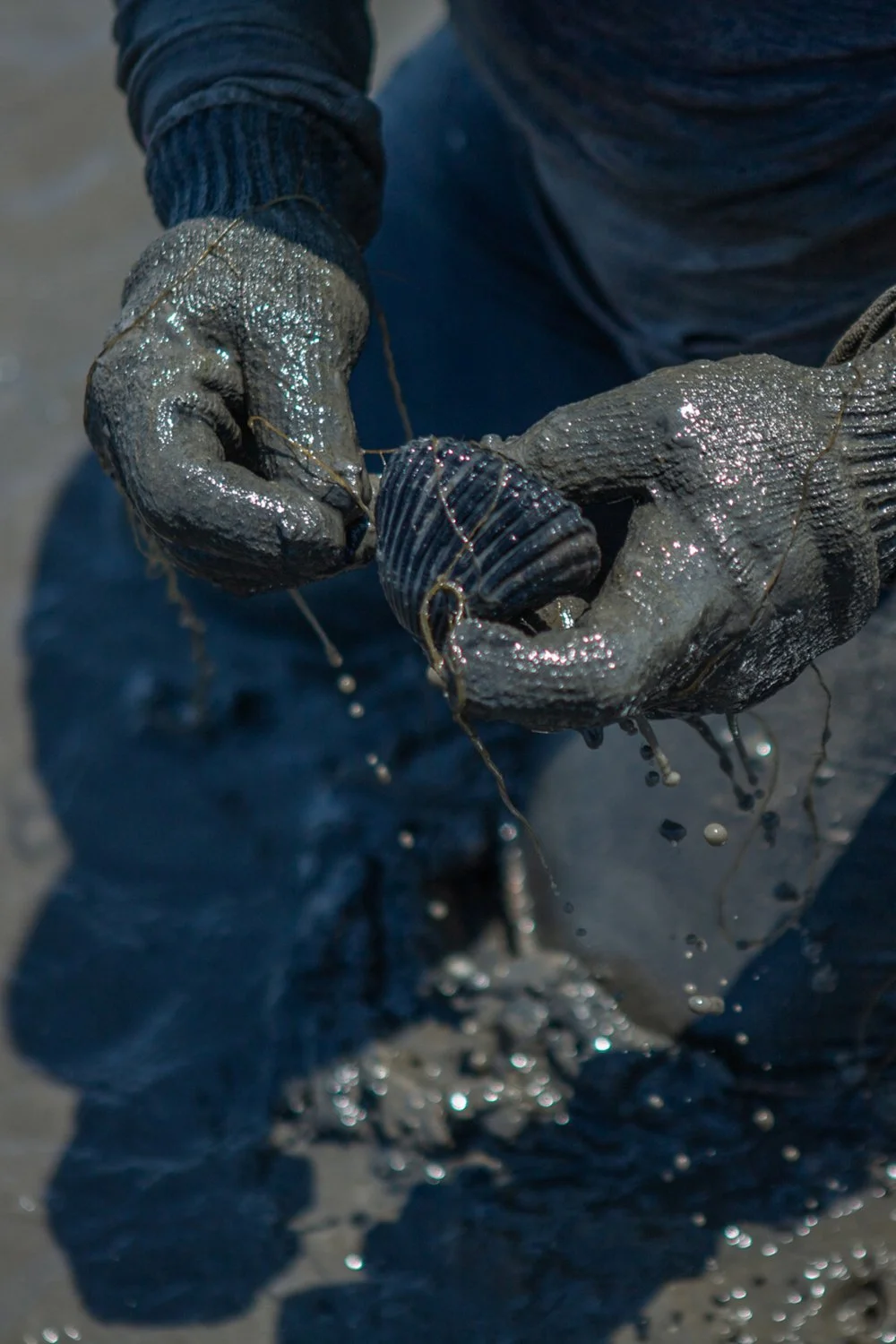
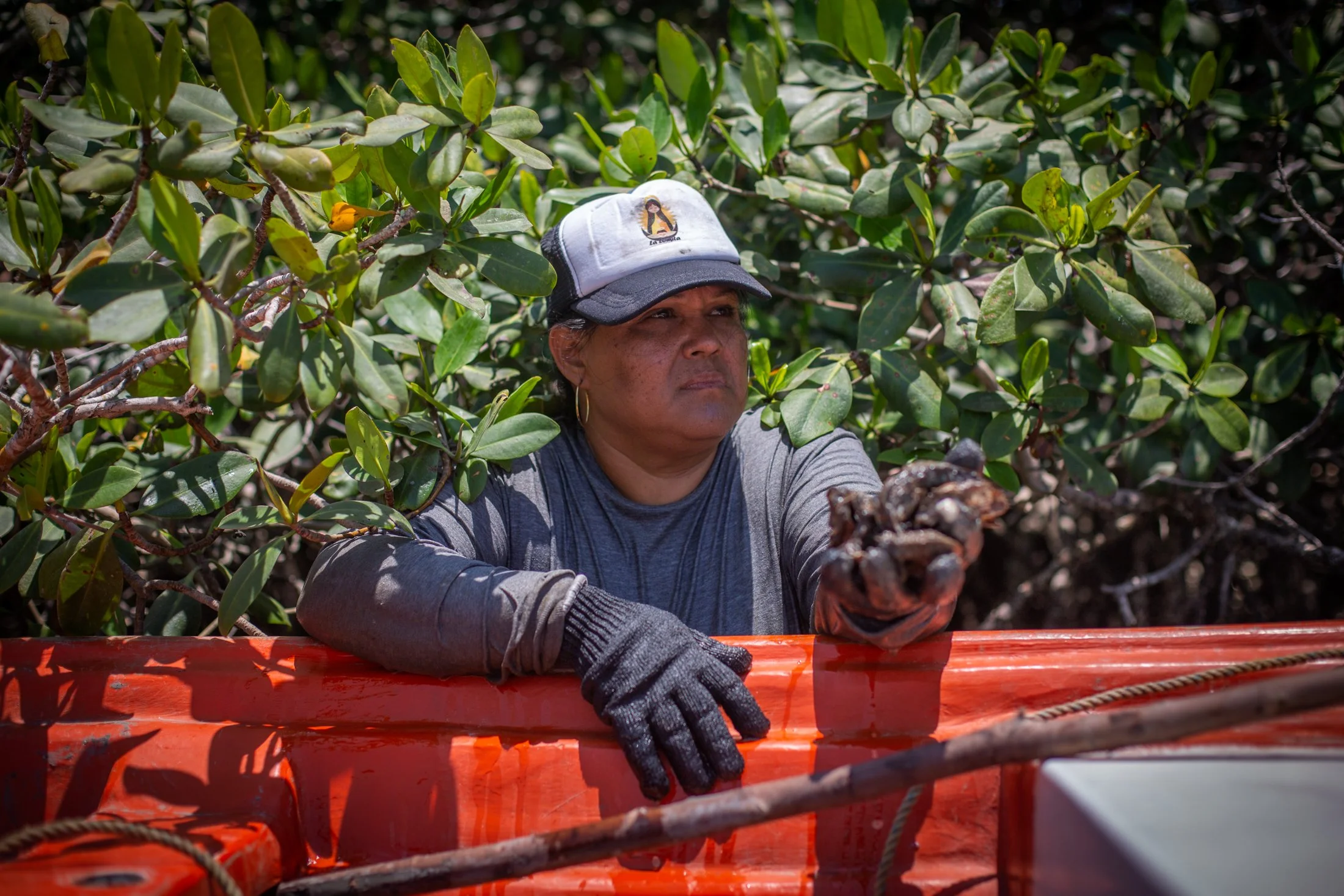
Around Altata Bay, carved into the Sinaloan coast at the southeast edge of the gulf, several fishing cooperatives made exclusively of women are trying to preserve their fragile lagoons by, in part, changing the way women are heard and seen in the world of fishing, an industry historically dominated by men. Since forming their collectives in 2017, the fisherwomen of Dautillos, Las Aguamitas and Altata–each situated on their own lagoon or estuary, but often working together–have been pushing for better enforcement of the environmental regulations that expanding shrimp farms brazenly flout, a consequence, they say, of corruption at every political level, including the country’s national aquaculture and fishing commission.
“It’s important that we change the story,” says Yanett Castro, president of the Altata women’s collective. “We have the same rights as men. We believe the sea belongs to everyone.”
This project was funded in part by National Geographic Society, the Solutions for Visual Journalism Initiative, and the Institute for Journalism and Natural Resources.